The Comprehensive Guide to In Office Hysteroscopy Procedure: An Advanced Approach in Women’s Health
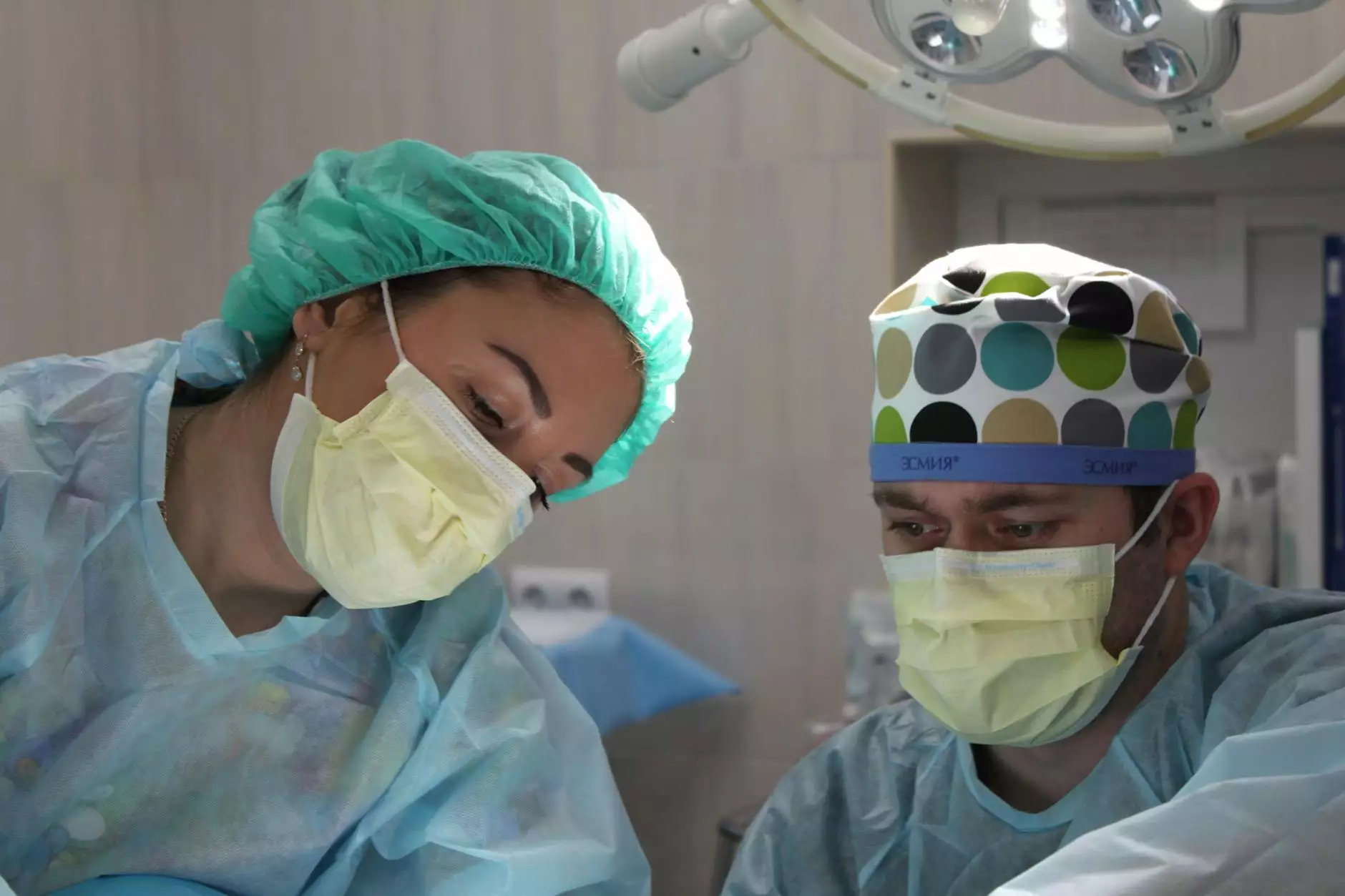
In the realm of modern gynecology, innovations continue to enhance the quality, safety, and efficiency of women's healthcare. One such revolutionary procedure is the in office hysteroscopy procedure. This minimally invasive technique has transformed diagnostic and therapeutic gynecological care, offering women a comfortable, efficient, and precise method to address a variety of uterine conditions. At the forefront of this innovation are leading medical professionals and obstetricians & gynecologists, such as those at drseckin.com.
Understanding the In Office Hysteroscopy Procedure: What It Is and Why It Matters
The in office hysteroscopy procedure involves visual examination of the interior of the uterine cavity using a hysteroscope—a thin, lighted device that is inserted through the cervix without requiring abdominal incisions. This approach allows for direct inspection of the uterine lining, identification of abnormalities, and performing minor treatments, all within the comfort of an outpatient setting.
Why Choose an In Office Hysteroscopy Procedure? Key Benefits for Patients
- Minimally invasive: No need for abdominal incisions or general anesthesia, reducing risks and recovery time.
- Convenient: Usually performed in a clinic or outpatient setting, eliminating hospital stays.
- Cost-effective: Reduced procedural and hospitalization costs compared to traditional operating room procedures.
- Real-time visualization: Immediate and direct visualization of uterine structures for accurate diagnosis.
- Diagnostic and therapeutic: Capable of both identifying issues and performing treatments during the same procedure.
- Enhanced patient comfort: Shorter procedure time with minimal discomfort, often tolerated well without sedation.
Conditions Commonly Diagnosed and Treated via In Office Hysteroscopy Procedure
The in office hysteroscopy procedure is a versatile tool for managing numerous uterine conditions, including but not limited to:
- Uterine Polyps: Benign growths that can cause abnormal bleeding and fertility issues.
- Submucosal Fibroids: Non-cancerous tumors impacting the uterine cavity and fertility.
- Endometrial Hyperplasia: Thickening of the uterine lining that may predispose to cancer.
- Asherman's Syndrome: Scar tissue formation within the uterus, often following procedures or infections.
- Retained Products of Conception: Often after miscarriage or abortion, requiring removal.
- Chronic Abnormal Uterine Bleeding: Unexplained or persistent bleeding that affects quality of life.
- Congenital Uterine Anomalies: Structural abnormalities impacting fertility and pregnancy outcomes.
The In Office Hysteroscopy Procedure: Step-by-Step Process
Preparation: Prior to the procedure, patients undergo a thorough consultation, and often a preliminary ultrasound to assess uterine anatomy. No extensive fasting is required for most cases, making this procedure more accessible.
Step 1: Patient Positioning
The patient is comfortably positioned on the examination table, typically in lithotomy position, allowing easy access to the cervix.
Step 2: Cervical Dilation and Anesthesia
Sometimes, a gentle dilation of the cervix is performed to facilitate hysteroscope insertion. Mild local anesthesia or a numbing gel might be applied to minimize discomfort, though many procedures are well tolerated without anesthesia.
Step 3: Insertion of Hysteroscope
The thin, flexible or rigid hysteroscope is carefully inserted through the cervical canal into the uterine cavity. Saline or CO2 gas is often used to distend the uterine cavity, providing a clear view.
Step 4: Visualization and Assessment
Using a high-resolution camera, the clinician examines the uterine walls, cavity, and openings of the fallopian tubes. Abnormalities are identified instantly, enabling an accurate diagnosis.
Step 5: Biopsy or Treatment
If necessary, tissue samples can be obtained for histopathology. Additionally, minor treatments such as polyp removal, fibroid resection, or adhesiolysis are performed during this phase.
Step 6: Completion and Recovery
Once all necessary evaluations and interventions are completed, the hysteroscope is gently withdrawn. Patients are typically monitored for a short period before discharge, with most returning to normal activities quickly.
Safety, Comfort, and Success Rates of the In Office Hysteroscopy Procedure
Modern in office hysteroscopy procedures utilize advanced technology to ensure high safety standards. Serious complications are rare, occurring in less than 1%. Common minor side effects include mild cramping or spotting, which are usually transient.
Success rates for diagnosis and treatment are remarkably high, often exceeding 90%. The ability to perform both diagnostic and therapeutic procedures in one session greatly enhances patient convenience and outcomes.
Post-Procedure Care: What Patients Need to Know
- Monitoring symptoms: Expect mild cramping or light bleeding; seek medical attention if severe pain or heavy bleeding occurs.
- Activity restrictions: Typically, women can resume normal activities within a day. Heavy exercise or tampon use should be avoided temporarily.
- Follow-up: A consultation to discuss findings and further treatment options may be scheduled within a few weeks.
The Future of Women’s Gynecological Care: In Office Hysteroscopy Procedure as a Standard
The ongoing advancements in hysteroscopic technology and technique continue to expand the scope and safety of in office hysteroscopy procedures. As a leading method in outpatient gynecology, it is increasingly regarded as the gold standard for uterine assessment and intervention.
Clinics and hospitals are adopting this approach due to its numerous advantages—improved patient experience, reduced costs, and higher diagnostic accuracy. Obstetricians and gynecologists, especially at expert centers like drseckin.com, are committed to integrating this innovation into routine practice to empower women with better health outcomes.
Why Trust Experts for Your In Office Hysteroscopy Procedure?
Choosing experienced and board-certified obstetricians & gynecologists ensures the in office hysteroscopy procedure is performed with the highest safety and precision standards. Expert practitioners can:
- Accurately diagnose complex uterine conditions
- Perform minor interventions with minimal discomfort
- Manage any potential complications effectively
- Provide comprehensive counseling before and after the procedure
At drseckin.com, our specialty is delivering personalized, state-of-the-art gynecological care that prioritizes patient comfort, safety, and optimal outcomes.
Conclusion: Embracing Modern Gynecology with In Office Hysteroscopy Procedure
The in office hysteroscopy procedure represents a milestone in women's reproductive healthcare, combining cutting-edge technology with patient-centered care. Its minimally invasive nature, high success rates, and therapeutic versatility make it an invaluable tool for gynecology clinics worldwide.
Women seeking accurate diagnosis and effective treatment of uterine conditions should consider this procedure as a first-line approach. With the expert guidance of experienced obstetricians & gynecologists, such as those at drseckin.com, women can experience improved health, enhanced fertility, and greater peace of mind. Embrace the future of women’s health today with the in office hysteroscopy procedure.