Ultimate Guide to : Ensuring Power, Precision, and Durability in Heavy Equipment
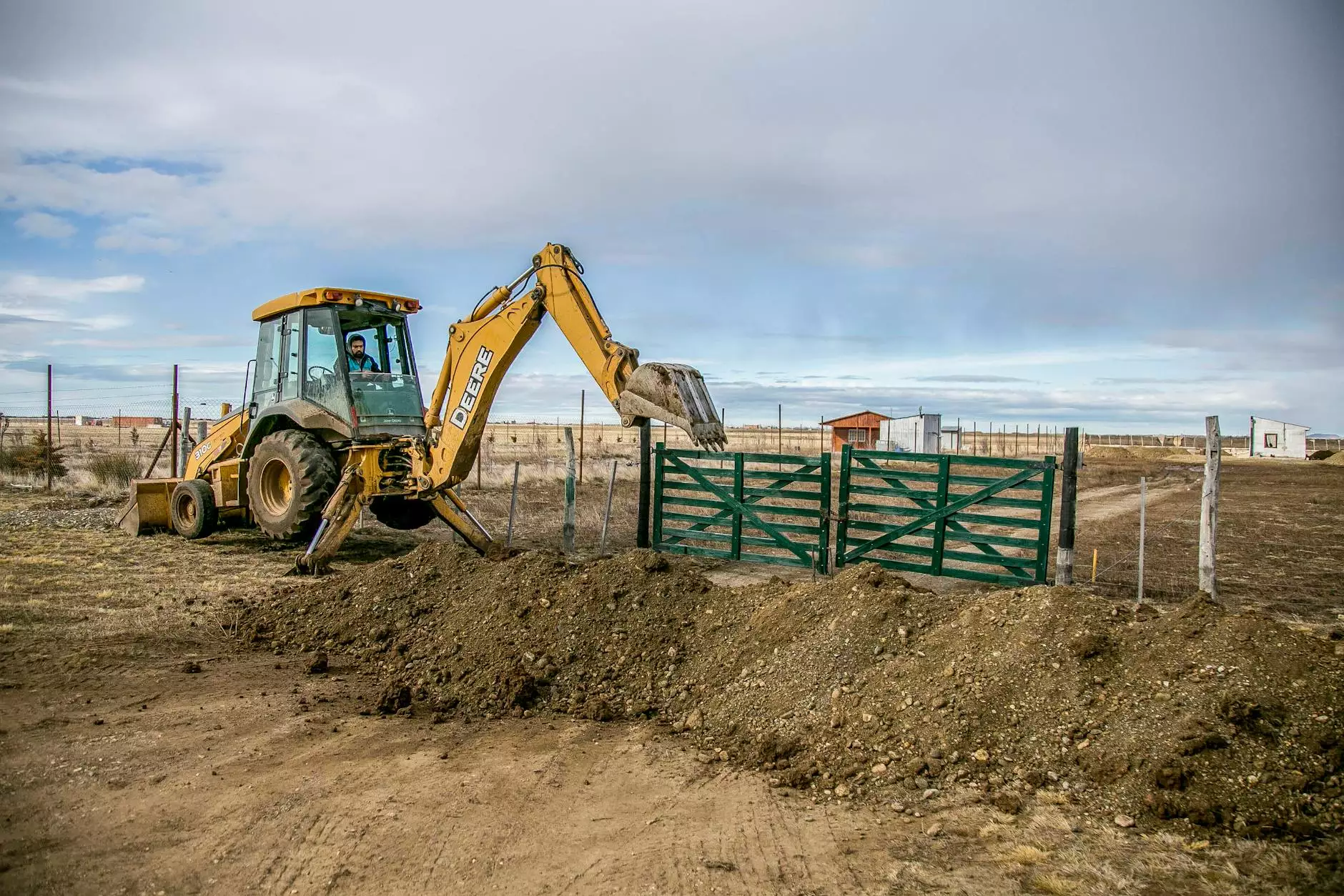
In the world of construction, excavation, and heavy machinery operation, the stands out as a critical component that drives efficiency, productivity, and safety on job sites. As an integral element of an excavator’s drivetrain, the not only transmits power from the engine to the tracks but also influences the overall performance and longevity of the machinery. This comprehensive guide delves into the crucial aspects of , offering detailed insights into its function, maintenance, troubleshooting, and choices for replacement parts.
Understanding the Role of the
The is fundamentally the system responsible for converting engine power into movement. It consists of a series of gears, planet carriers, and hydraulic components that work harmoniously to turn the final output into the motion of the excavator’s tracks or wheels. This system is located at the end of the hydraulic transmission chain, hence the term "final drive."
Primary Functions of the
- Power Transmission: Transmits engine torque to the tracks, propelling the excavator forward, backward, or rotating on the spot.
- Speed Control: Regulates the rotational speed of tracks, enabling precise movements necessary for delicate excavation or heavy-duty earthmoving tasks.
- Load Handling & Stability: Supports heavy loads and maintains stability during operation, reducing the risk of tipping or operational failures.
Why the Is Critical for Construction and Heavy-Duty Tasks
The efficiency and reliability of a directly impact the overall output of any construction project. A well-maintained ensures smooth movement, precise control, and minimized downtime. Here are some reasons why this component is pivotal:
Enhanced Operational Efficiency
By providing reliable power transfer, the minimizes energy wastage, enabling operators to perform tasks swiftly, safely, and accurately. High-quality final drives sustain faster cycle times and reduce operational delays.
Extended Equipment Lifespan
Durable and properly maintained systems can vastly prolong the machine's lifespan, reducing the frequency and expenses related to replacements or major repairs.
Cost-Effective Maintenance and Repairs
Understanding the intricacies of the aids in timely maintenance, preventing costly breakdowns. Choosing the right replacement parts and conducting routine inspections ensures optimal performance and is an investment in operational sustainability.
Constructing an Efficient : Components & Design
The structure of a is engineered with precision to handle demanding workloads. Its core components include:
Gearbox Assembly
The gearbox is the core of the . It contains a series of gears—planetary gears, ring gears, and pinions—that regulate torque and speed according to operational needs.
Hydraulic Motor
Hydraulic motors generate rotational force by converting hydraulic pressure into mechanical energy, which then drives the gears.
Planetary Gear System
This system offers high torque capacity while maintaining a relatively compact size, making it ideal for embedded systems in excavators.
Seals and Bearings
Robust seals and bearings prevent contamination, reduce wear, and ensure smooth operation over the machine’s service life.
Signs That Indicate Your Needs Attention
Recognizing early signs of wear or failure can save significant costs and prevent project delays. Common warning indicators include:
Unusual Noise and Vibrations
Grinding sounds, whining, or vibrations during operation often point to worn gears, misaligned components, or insufficient lubrication.
Reduced Track Speed or Slippage
If your excavator’s tracks move slower than usual or slip during operation, it may be due to a damaged or slipping .
Overheating of the
Excess heat is often caused by low oil levels, contaminated fluid, or excessive wear, which impairs further operation.
Oil Leaks
Seals wearing out lead to hydraulic fluid leaks, which impair functionality and introduce contaminants.
Decreased Precision and Control
Difficulty in controlling movement or jerky operation indicates potential issues with gear engagement or hydraulic components.
Maintaining and Extending the Life of the
Routine maintenance is critical for maximizing the performance & lifespan of the . Essential procedures include:
Regular Lubrication
The final drive components require high-quality hydraulic oil or grease, depending on the design. Regular checks and timely oil changes prevent excessive wear.
Inspection and Replacement of Seals
Seals tend to degrade over time. Replacing worn seals minimizes leaks, contamination, and hydraulic fluid loss.
Monitoring and Adjusting Tension
Track tension should be checked regularly to prevent unnecessary strain on the components and ensure effective operation.
Cleaning and Removal of Debris
Keeping the clean from dirt, mud, and debris prevents contamination and extends component longevity.
Timely Replacement of Worn Parts
Using original or high-quality replacement parts minimizes downtime and ensures the machinery performs to peak standards.
Choosing Replacement Parts: Tips for Operators and Maintenance Teams
When it comes time to replace components, selecting the right parts is paramount. Here are some guidelines:
Opt for Original Equipment Manufacturer (OEM) Parts
OEM parts guarantee compatibility, reliability, and adherence to quality standards, preserving your equipment’s integrity.
Consider Aftermarket & High-Quality Alternatives
Reputable aftermarket suppliers like shophydraulicamerica.com offer durable, cost-effective options that meet or exceed OEM standards.
Check Compatibility and Specifications
- Model and serial number of your excavator
- Load capacity and operational conditions
- Material quality and manufacturing standards
Prioritize Durability & Warranty
High-quality parts with proven durability and good warranty policies offer peace of mind and reduce repeat replacements.
The Future of : Innovations & Trends
The industry is witnessing rapid advances aimed at improving durability, efficiency, and automation:
- Hydraulic Technology Improvements: Advanced hydraulic systems provide smoother power delivery and reduce wear.
- Smart Monitoring Systems: IoT-enabled sensors monitor the health of components in real-time, alerting operators to potential issues.
- Lightweight & High-Strength Materials: Use of composites and high-strength alloys enhances the efficiency and lifespan of the .
- Electrification & Hybrid Systems: Emerging hybrid drives aim to reduce fuel consumption and emissions while maintaining power output.
Final Thoughts: The Significance of a Well-Maintained
The is undeniably a cornerstone of heavy machinery operation. Its performance directly impacts the productivity, safety, and cost-efficiency of construction and earthmoving projects. Proper understanding, routine maintenance, and the strategic selection of replacement parts, such as those available at shophydraulicamerica.com, are essential for maximizing its lifespan and operational excellence.
In conclusion, investing in high-quality components and focusing on proactive maintenance will secure your machinery’s performance, leading to successful project completion and reduced downtime. As technology evolves, keeping abreast of innovations and integrating smart solutions will further revolutionize how excavator drives are maintained and operated in the years to come.
Remember, a synergistic approach that combines the right parts, consistent maintenance, and technological innovation will empower your heavy equipment to perform at peak levels for years ahead.
final drive excavator