Leading Oncology Hospitals: A Comprehensive Guide to Exceptional Cancer Care
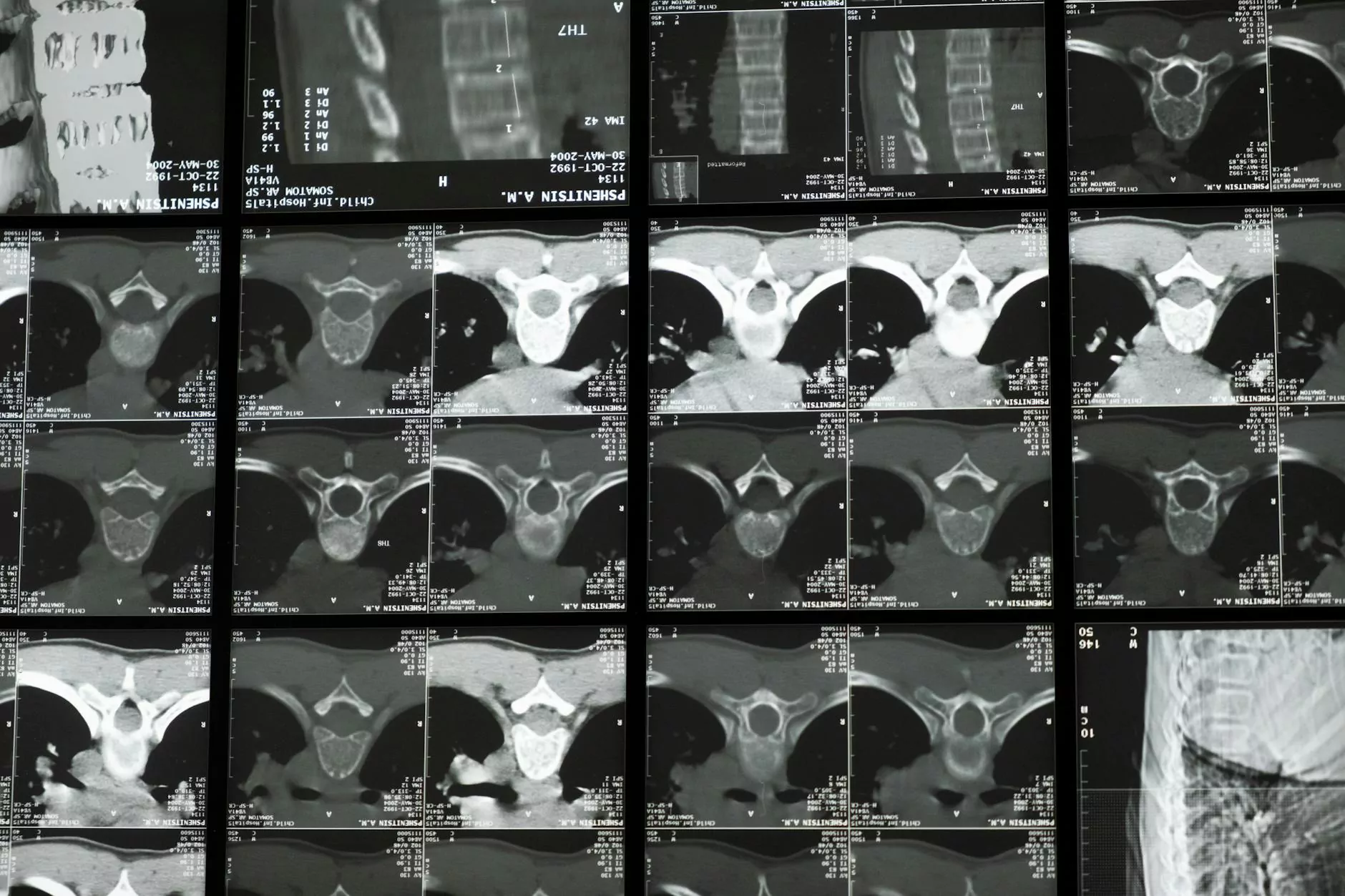
In the rapidly evolving landscape of healthcare, oncology hospitals stand at the forefront of combating one of humanity's most challenging diseases—cancer. These specialized institutions are not just centers for treatment; they are hubs of innovation, research, and compassionate patient care. With advancements in medical technology and a multidisciplinary approach, oncology hospitals are transforming cancer management, offering hope to millions worldwide.
Understanding the Significance of Specialized Oncology Hospitals
While general hospitals provide essential healthcare services, oncology hospitals focus exclusively on cancer diagnosis, treatment, and research. This specialization ensures that patients receive tailored care from highly trained professionals who are experts in the latest oncology methods.
Why is this specialization crucial? Cancer is a complex disease requiring multifaceted treatment strategies, including surgery, chemotherapy, radiation therapy, immunotherapy, and targeted biological treatments. Oncology hospitals are equipped with state-of-the-art technology and facilities that enable personalized treatment plans and rapid integration of novel therapies.
Key Characteristics of Top-Tier Oncology Hospitals
- Advanced Medical Technology: Cutting-edge diagnostic tools like PET-CT scans, MRI, and genomic sequencing
- Multidisciplinary Teams: Collaboration among oncologists, radiologists, surgeons, pathologists, and supportive care specialists
- Research and Innovation: Active participation in clinical trials and development of new treatment modalities
- Patient-Centered Care: Compassionate support services including counseling, nutrition, and palliative care
- International Accreditation: Recognition from global health authorities affirming quality standards
What Makes an Oncology Hospital Stand Out?
Distinction in the realm of cancer care is achieved through a combination of factors that promote superior patient outcomes and pioneering research. Some of these include:
- Innovative Treatment Protocols: Leading hospitals often develop and implement personalized medicine strategies based on genetic profiling.
- Comprehensive Cancer Care: Offering a full spectrum of services from early detection screening to advanced surgical intervention and supportive therapies.
- State-of-the-Art Facilities: Modern, clinical settings equipped with technological advancements that enable precise diagnostics and minimally invasive procedures.
- Expert Staffing: Multidisciplinary teams comprising nationally and internationally recognized specialists.
- Robust Clinical Trials Program: Providing access to innovative treatments that are not yet widely available.
The Role of Technology in Revolutionizing Cancer Treatment
Technology is the backbone of modern oncology hospitals. Recent innovations have transformed how cancer is diagnosed and treated, leading to higher survival rates and improved quality of life.
Diagnostic Innovations
Early detection is vital in improving prognosis. Advanced imaging techniques such as high-resolution MRI, PET scans, and genomic sequencing allow clinicians to identify malignancies at a nascent stage with exceptional accuracy.
Therapeutic Advances
Minimally invasive surgical techniques like robotic-assisted surgery, stereotactic radiosurgery, and targeted biological therapies have revolutionized patient outcomes. These methods reduce complications, shorten recovery times, and enhance precision in tumor removal.
Personalized Medicine
Genomic profiling helps identify specific mutations driving individual cancers, enabling targeted therapies that attack cancer cells while sparing healthy tissue. This approach maximizes efficacy and minimizes side effects.
Research and Clinical Trials: Driving the Future of Cancer Care
Top oncology hospitals are at the forefront of oncological research. Clinical trials conducted within these institutions explore innovative treatment options, including immunotherapy, gene therapy, and novel drug combinations. Participation in these trials provides patients access to cutting-edge therapies that can significantly improve their prognosis.
Research collaboration with international institutions furthers understanding of cancer biology, leading to breakthroughs that benefit global health. Such hospitals often publish results in leading scientific journals, influencing global standards of care.
Patient-Centered Approach: Compassionate Care Beyond Treatment
Effective cancer treatment extends beyond medical interventions. Leading oncology hospitals prioritize holistic patient care by addressing emotional, psychological, and social needs.
Support services include counseling and psychological support, nutritional guidance, pain management, and rehabilitation programs. The goal is to enhance overall well-being and help patients navigate the challenges of cancer diagnosis and treatment with dignity and hope.
Global Leaders in Oncology Hospital Care
Several hospitals worldwide have established themselves as leaders in cancer treatment. Among them are institutions renowned for their high success rates, pioneering research, and excellent patient care. Examples include:
- MD Anderson Cancer Center (Houston, USA)
- Cleveland Clinic Taussig Cancer Institute (Cleveland, USA)
- Gustave Roussy (Paris, France)
- Sungkyunkwan University Samsung Medical Center (Seoul, South Korea)
- Memorial Sloan Kettering Cancer Center (New York, USA)
While these are global leaders, there are numerous regional oncology hospitals delivering exceptional care tailored to local populations and resources. Every patient should seek institutions with comprehensive accreditation, experienced staff, and a commitment to innovation.
Choosing the Right Oncology Hospital: What Patients Need to Know
When selecting an oncology hospital, patients should consider:
- Accreditations and Certifications: Ensuring adherence to international quality standards.
- Expertise in Specific Cancer Types: Facilities with specialists and programs for their particular diagnosis.
- Technological Capabilities: Access to the latest diagnostic and therapeutic equipment.
- Research and Clinical Trial Opportunities: Availability of cutting-edge treatments.
- Support Services: Palliative care, mental health, nutrition, and rehabilitation programs.
- Location and Accessibility: Proximity and ease of access for ongoing treatment and follow-up.
Conclusion: The Future of Oncology Hospitals
As medical science continues to advance, oncology hospitals will increasingly integrate precision medicine, artificial intelligence, and robotic surgery to enhance cancer care. The focus will shift toward personalized, minimally invasive, and highly targeted treatment regimens that improve survival and quality of life.
Patients worldwide can find hope in the growing number of specialized institutions dedicating themselves to excellence in cancer treatment. Embracing continuous innovation and compassionate care, these hospitals are vital pillars in the global fight against cancer.
By choosing a leading oncology hospital, patients gain access to the best possible treatment options, expert care, and the latest advancements in oncology—paving the way for a brighter, cancer-free future.