Comprehensive Guide to Climbing Gear Carabiners: Enhancing Safety and Performance in Outdoor Adventures
In the vibrant world of outdoor activities, climbing gear carabiners serve as an essential component that ensures safety, efficiency, and convenience for climbers, hikers, and outdoor enthusiasts. Whether you're an experienced professional or a passionate hobbyist, understanding the nuances of these vital tools can significantly elevate your outdoor experience. This extensive guide provides an in-depth exploration of climbing gear carabiners, their types, features, selection criteria, and their role in boosting safety and performance in climbing adventures.
What Are Climbing Gear Carabiners?
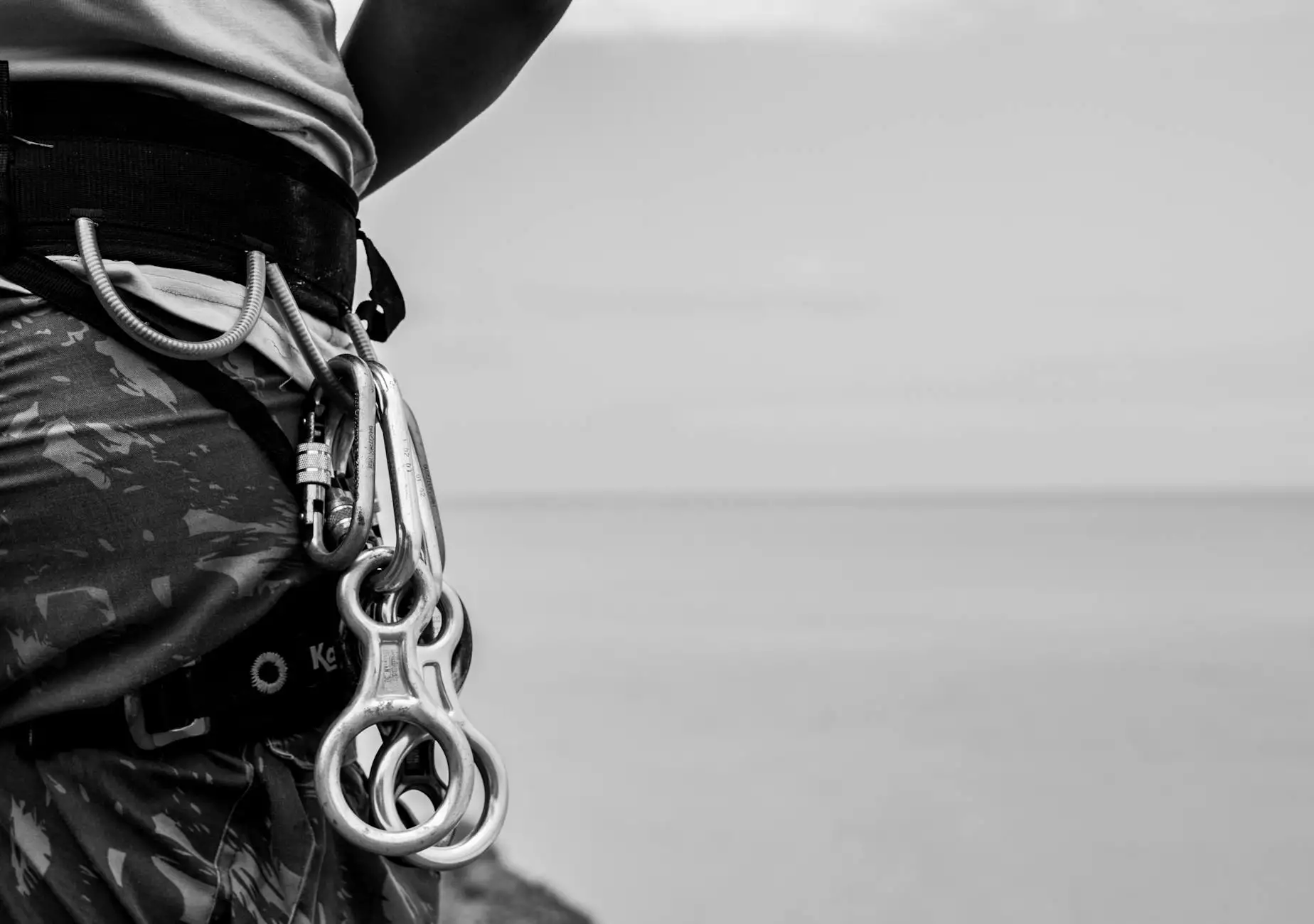
At their core, climbing gear carabiners are metal loops with a spring-loaded gate that allows for quick and secure attachment of ropes, harnesses, and other equipment. They are fundamental in rock climbing, mountaineering, rescue operations, and outdoor activities. The primary purpose of a carabiner is to act as a connector — facilitating the safe transfer of loads and preventing accidental disconnections.
Carabiners are constructed from durable materials such as aluminum or steel, engineered to withstand extreme forces, and designed with various shapes and locking mechanisms to suit specific needs. Their versatility makes them indispensable in accessory kits, gift shops, and outdoor gear stores such as samhe.com.
Types of Climbing Gear Carabiners
Choosing the right *climbing gear carabiner* depends heavily on understanding their different types, designs, and suitable applications. Here is a detailed analysis:
1. Oval Carabiners
Oval carabiners feature a symmetrical shape, providing an evenly distributed load across the entire spine. They are renowned for their simplicity and reliability. These are traditionally used for rappelling, belaying, and securing gear because of their balanced strength and ease of handling.
2. D-Shaped Carabiners
The D-shape creates a stronger and more durable connection by aligning the load along the strongest axis of the tube, reducing the chances of cross-loading. They are highly favored in climbing for their robust design, predictable handling, and weight efficiency. These are ideal for serious climbing, rescue, and professional applications.
3. Asymmetric or “Offset” D Carabiners
These combine the benefits of D-shaped design with slightly lighter weight and easier clipping due to their offset shape. They are perfect for situations requiring quick handling and maximum strength but with some weight savings.
4. Keylock Carabiners
Equipped with a keylock mechanism that eliminates the snagging and catching common in traditional gate designs, keylock carabiners streamline clipping and unclipping, especially in hard-to-reach spots. They are frequently used in sport climbing and lead climbing where efficiency is vital.
5. Locking vs. Non-Locking Carabiners
- Locking Carabiners: Have a screw, twist, or automatic lock mechanism to prevent accidental opening. They enhance safety in critical connections, hauling, and anchoring.
- Non-Locking Carabiners: Easier and faster to clip and unclipping but less secure, used mainly for quickdraws and accessory attachment.
Materials and Construction: Ensuring Strength and Durability
The secret to effective climbing gear carabiners lies in their material and build quality. The most common materials include:
- Aluminum Alloy: Light, corrosion-resistant, and sufficiently strong for most climbing needs. Aluminum carabiners are designed to combine reduced weight with high strength, making them suitable for extensive outdoor activities.
- Steel: Heavier but vastly more robust and durable, ideal for rescue operations or industrial uses, where maximum strength outweighs weight considerations.
Manufacturers employ precise manufacturing techniques like hot forging and extrusion, ensuring enhanced load-bearing capacity while minimizing weight. Testing standards such as UIAA and CE certification validate their safety and reliability in critical situations.
Key Features to Consider When Choosing Climbing Gear Carabiners
Choosing the perfect climbing gear carabiner requires understanding specific features relevant to your activity. Here are the most vital aspects:
Strength Ratings
Look for the kN (kilonewtons) rating, which indicates the strength. Common ratings are:
- Main load (gate and body): Typically 20-30 kN for climbing applications.
- Minor load: The side-load capacity, usually about 7-10 kN.
Gate Type
- Screw-lock: Requires manual locking, providing heightened security.
- Automatic or Twist-lock: Locks automatically when closed, offering quick and secure operation.
- Non-locking: Simplest to use, with no locking mechanism.
Shape and Size
Choose a shape that suits your needs, considering handling, strength, and compatibility with harnesses and ropes. Consider the size for ease of clipping and unclipping, especially in complex routes or rescue scenarios.
Weight
Lightweight carabiners reduce overall gear weight, essential for multi-pitch climbing, backpacking, or extended outdoor treks.
The Role of Climbing Gear Carabiners in Safety and Performance
In any climbing scenario, safety is non-negotiable. Climbing gear carabiners contribute significantly by:
- Providing secure attachment points: Ensuring ropes and harnesses are firmly connected.
- Facilitating quick and reliable clipping: Saving valuable time during climbs or rescue operations.
- Distributing load efficiently: Reducing stress on individual components and preventing failure.
- Reducing risk of accidents: Locking mechanisms prevent accidental disconnection.
High-quality carabiners enhance user confidence and allow climbers to focus more on their technique rather than equipment worries, translating into better performance and enjoyment of outdoor adventures.
Maintenance and Care for Longevity
Proper maintenance prolongs the life of your climbing gear carabiners. Always:
- Inspect for cracks, deformation, or excessive wear before each use.
- Clean with warm water and mild soap to remove dirt and debris.
- Avoid exposure to chemicals or direct sunlight for prolonged periods.
- Lubricate the gate mechanism periodically with suitable lubricants to ensure smooth operation.
Where to Buy Climbing Gear Carabiners and Accessories
For quality assurance, always purchase from reputable retailers and specialty stores like samhe.com. These stores offer a diverse selection of climbing gear carabiners suited for beginners to professional climbers, along with accessories and gift options perfect for outdoor enthusiasts.
In Conclusion: Elevate Your Climbing Experience with the Right Carabiner
Investing in high-quality climbing gear carabiners is more than just buying a piece of equipment; it’s about securing peace of mind and ensuring peak performance in your outdoor pursuits. With various shapes, materials, and locking mechanisms, you can tailor your gear setup to match your climbing style and safety requirements.
Remember, the durability and safety of your entire rig depend heavily on using the appropriate carabiner. Always opt for certified, well-made options that meet or exceed industry standards. Whether for *accessories*, a *gift shop*, or *outdoor gear* collection, offering the best climbing gear carabiners enhances your reputation among clients and enthusiasts alike.
Embrace the Outdoors with Confidence
By understanding the nuanced differences in climbing gear carabiners and choosing wisely, you ensure each ascent is a safe, efficient, and enjoyable adventure. Explore a wide selection at samhe.com and equip yourself with the best gear designed for your outdoor lifestyle.