Revolutionizing Aerospace with 3D Printed Wings

The aerospace industry is experiencing a transformative shift, thanks in large part to the advent of 3D printed wings. This groundbreaking technology is not just a fad; it is a profound change that redefines design, manufacturing, and sustainability. In this article, we will delve deeply into the fascinating world of 3D printed wings, exploring their benefits, applications, and the future of aviation.
Understanding 3D Printing Technology
3D printing, also known as additive manufacturing, is a process of creating three-dimensional objects from a digital file. This innovative technique works by layering materials—often thermoplastics, metals, or composites—until the desired shape is formed. The implications for industries such as aerospace are monumental, particularly in the production of 3D printed wings.
Benefits of 3D Printed Wings
The production of 3D printed wings brings numerous benefits, which can be categorized into several key areas:
- Cost-Effectiveness: Traditional manufacturing methods, such as forging and milling, can be expensive due to material waste and labor costs. In contrast, 3D printing minimizes waste, allowing companies to produce wings at a lower cost.
- Lightweight Structures: The advanced design capabilities of 3D printing enable the creation of complex geometries that are both lightweight and strong. This characteristic is crucial in aviation, where reducing weight directly enhances fuel efficiency.
- Customization: Each aircraft has different requirements. 3D printing allows for rapid prototyping and customization, enabling engineers to adjust designs to meet specific performance criteria without lengthy retooling processes.
- Reduced Lead Times: Manufacturing traditional parts often involves long lead times due to the complexities of tooling and production schedules. 3D printing expedites this process, allowing for faster iterations and quicker time-to-market.
- Environmental Impact: By utilizing materials more efficiently and reducing waste, 3D printed wings contribute to more sustainable aviation practices, aligning with the global emphasis on reducing carbon footprints.
Real-World Applications of 3D Printed Wings
The practical applications of 3D printed wings span various segments of the aviation industry—from commercial airliners to military aircraft. Here are some notable current and future applications:
1. Commercial Aircraft
Major airlines and aerospace manufacturers are beginning to adopt 3D printed wings for new aircraft designs. Boeing and Airbus, for instance, have initiated projects that incorporate 3D-printed components to improve performance and reduce operational costs.
2. Military Aviation
Military aircraft benefit dramatically from the advantages of 3D printing. The ability to quickly fabricate replacement parts or entire wing components enables faster repair and maintenance during missions, significantly enhancing operational readiness.
3. Unmanned Aerial Vehicles (UAVs)
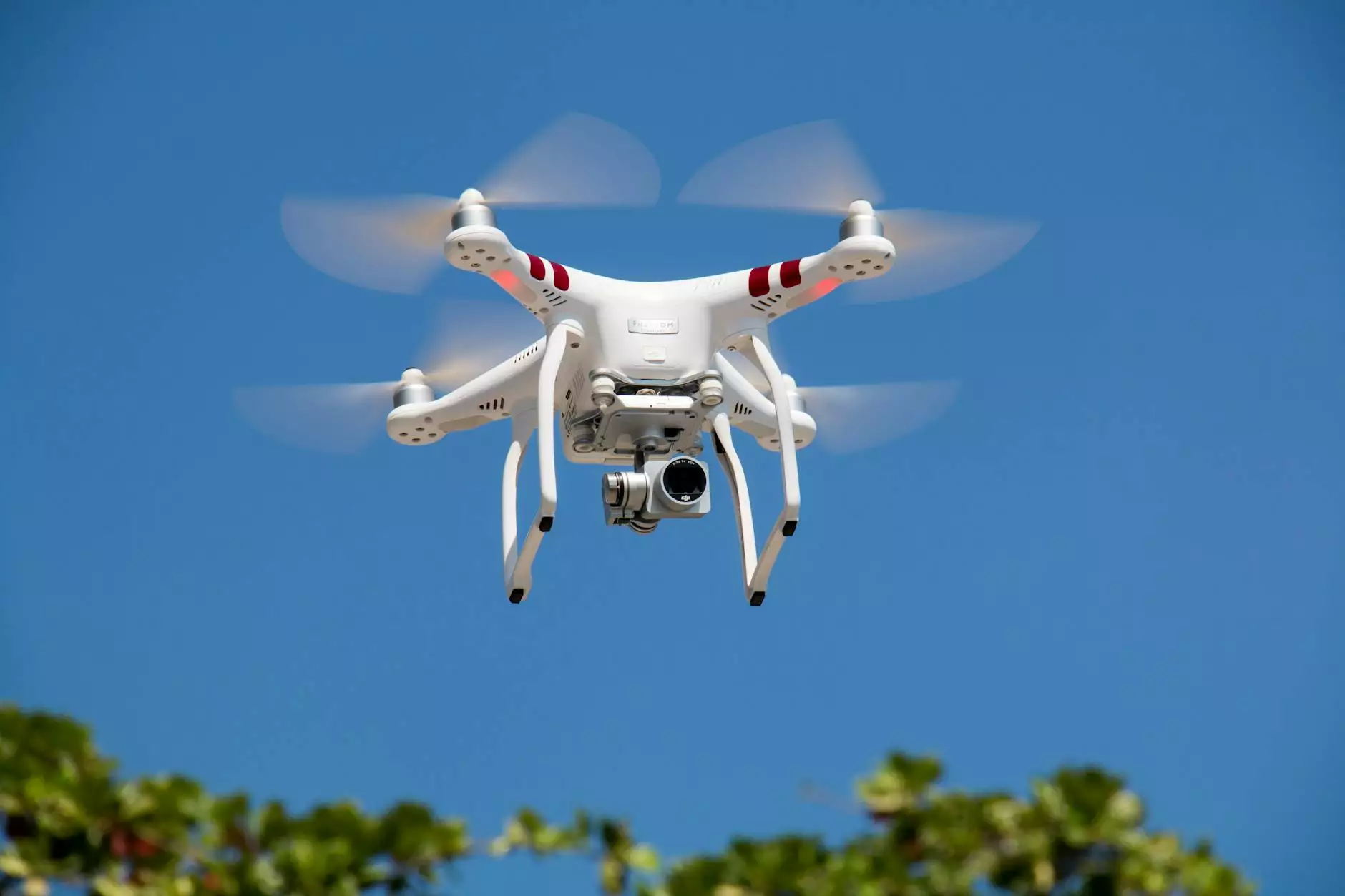
3D printed wings are particularly well-suited for UAVs, where weight and aerodynamics are paramount. Startups are leveraging this technology to create versatile UAVs for surveillance, agricultural monitoring, and delivery services.
How 3D Printed Wings Utilize Advanced Materials
The materials used in 3D printing for wings must meet stringent requirements regarding strength, weight, and durability. Here are some of the advanced materials being employed:
- Carbon Fiber Reinforced Polymers (CFRP): These materials are incredibly strong yet lightweight, making them ideal for structures that must withstand aerodynamic forces.
- Metal Alloys: Stainless steel, titanium, and aluminum alloys are used for their superior structural properties. They are often employed in high-stress flight components.
- Composites: The use of composite materials allows for enhanced performance characteristics, such as resistance to corrosion and improved fatigue life.
The Future of 3D Printed Wings
As technology continues to evolve, the future of 3D printed wings looks exceptionally promising. Anticipated advancements include:
- Increased Speed of Production: Future innovations are likely to enhance the speed of 3D printing, enabling even faster production cycles for aircraft components.
- Enhanced Material Properties: Ongoing research is focused on developing new materials that have improved characteristics such as thermal resistance and impact durability.
- Integration with AI and Machine Learning: AI-driven design tools may optimize the shapes and structures of 3D printed wings, leading to even more efficient designs tailored to specific flight conditions.
- Sustainability Developments: As the world focuses more on sustainable practices, innovations in recycling materials and energy-efficient 3D printing methods will further enhance the green credentials of the aerospace industry.
Challenges in Adopting 3D Printed Wings
While the benefits are compelling, transitioning to 3D printed wings is not without its challenges:
- Regulatory Approval: The aerospace industry is heavily regulated. Gaining certification for new materials and processes can be a lengthy and complex task.
- Cost of Initial Investment: Though 3D printing can save money in the long term, the initial setup cost for 3D printing systems and training can be significant.
- Technical Expertise: There is a need for skilled professionals who are proficient in 3D printing technologies, necessitating investments in training and education.
Conclusion
In conclusion, 3D printed wings represent a significant leap forward for the aerospace sector, offering unmatched benefits in terms of efficiency, cost savings, and sustainability. As this technology continues to evolve, its adoption will likely transform the design and manufacturing processes in aviation, fostering innovation that could reshape our skies. Businesses like 3DPrintWig.com are at the forefront, championing this revolutionary advancement and paving the way for a new era in flight.
As we look ahead, the call for smarter, more environmentally friendly solutions will only intensify. The aerospace industry must embrace the potential of 3D printed wings to remain competitive and contribute positively to our planet's future. The sky is indeed not the limit; with 3D printing, the possibilities are boundless.