The Art of Grating Wasabi: Unlocking the Flavor of Authentic Japanese Cuisine
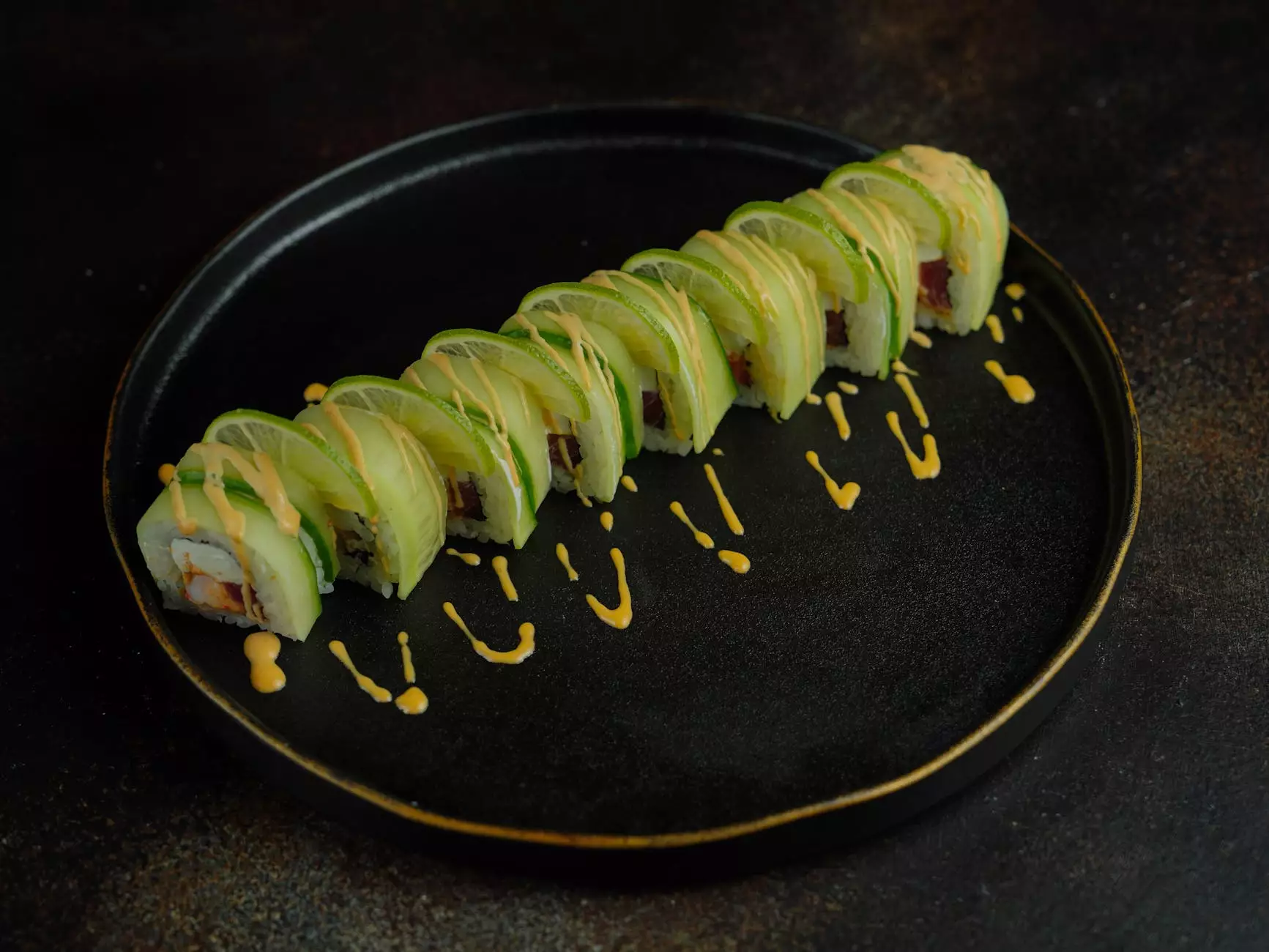
In the world of Japanese cuisine, few ingredients are as iconic and formidable as wasabi. The fiery green paste that often accompanies sushi is not only a flavor enhancer but also a cultural symbol. However, the real magic lies in the meticulous process of grating wasabi, which transforms this humble root into a culinary masterpiece.
Understanding Wasabi: The Heart of the Flavor
Wasabi is derived from the rhizome of the plant *Wasabia japonica*, which thrives in the fresh, cool waters of Japan. Known for its intense flavor, wasabi packs a punch that can elevate any dish when used correctly. It is essential to focus on the freshness of wasabi, as pre-packaged forms often lose their potency and flavor. Businesses like realwasabi.com emphasize the use of fresh wasabi, making it a key player in upscale restaurants and sushi bars.
The Importance of Fresh Wasabi in Sushi Bars
In a sushi bar, the quality of ingredients makes all the difference. Fresh wasabi has a vibrant color and a distinct aroma, which contributes significantly to the flavor profile of sushi. Here are some reasons why fresh wasabi is essential:
- Flavor Explosion: Freshly grated wasabi releases essential oils that heighten its pungency and provide a unique spiciness, unlike its powdered counterparts.
- Health Benefits: Real wasabi contains beneficial compounds that may aid digestion and possess anti-inflammatory properties.
- Enhancement of Sushi Experience: The sharp yet delicate flavor of fresh wasabi enhances the tasting experience, elevating the dish beyond mere sustenance.
The Grating Process: Steps to Perfection
To truly appreciate the depth of flavor in wasabi, one must master the art of grating wasabi. Below is a detailed guide on how to do it, ensuring you get the most out of this exquisite ingredient:
Step 1: Selecting the Right Wasabi
Start with fresh wasabi rhizomes. Look for firm, unblemished roots that feel heavy for their size. Visual inspection and a gentle feel will ensure you pick the best quality.
Step 2: Preparing Your Tools
To grate wasabi properly, you’ll need:
- A sharkskin grater (or a fine box grater).
- A small bowl to catch the grated wasabi.
- A clean cloth for wiping hands and surfaces.
Step 3: Grating Technique
Carefully scrub the wasabi rhizome under cold water to remove dirt. Once clean, cut off the ends and set the piece onto the grater. Use gentle, even strokes, applying pressure to release the wasabi's essential oils.
Step 4: Timing is Everything
After grating, it's crucial to allow the wasabi to rest for about 5 minutes. This resting period enhances flavor development and aroma, making it even more delightful.
Step 5: Serving
Once allowed to rest, serve your freshly grated wasabi alongside your favorite sushi dishes. A small amount goes a long way, so start with a little and add more as desired.
Using Grated Wasabi: Tips for Enthusiasts
To get the most out of grating wasabi, here are some tips for both home chefs and restaurant professionals:
- Pairing: Match wasabi with the right types of fish. It complements fatty fish like tuna and salmon beautifully.
- Experiment: Try incorporating wasabi into dressings, marinades, and sauces for an unexpected kick.
- Storage: Store any leftover grated wasabi in an airtight container in the refrigerator. Use it within a few days as it loses potency quickly.
The Cultural Significance of Wasabi in Japanese Cuisine
Wasabi is not just a condiment; it holds a cultural significance in Japanese culinary practices. Traditionally served with sushi, it symbolizes purity and is regarded as a necessary accompaniment to fish dishes, as it helps cleanse the palate and enhance the overall dining experience.
Restaurants that prioritize authentic Japanese flavors often make it a point to serve freshly grated wasabi, showcasing their dedication to quality and tradition. This attention to detail not only satisfies culinary enthusiasts but also enhances the restaurant's reputation.
Benefits of Using Fresh Horseradish vs. Real Wasabi
In many places, horseradish is commonly used as a substitute for wasabi due to its spiciness. However, there are notable differences between the two. Here’s a brief comparison:
AspectReal WasabiHorseradishFlavorDelicate, nuanced, sweet, and spicySharp, pungent, and overwhelmingFreshnessBest when freshly gratedCan be used in powdered or prepared formsHealth PropertiesFewer irritants, beneficial compoundsMore irritants, can be harsher on digestionIntegrating Grated Wasabi Into Home Cooking
For culinary enthusiasts who wish to elevate their home cooking experience, incorporating freshly grated wasabi can transform ordinary dishes into extraordinary ones. Here are some ideas:
- Sushi Making: Add freshly grated wasabi directly onto the fish before rolling or serving.
- Wasabi Mashed Potatoes: Mix freshly grated wasabi into mashed potatoes for an unexpected twist.
- Wasabi Salad Dressing: Create a zesty dressing by whisking grated wasabi with soy sauce, olive oil, and a touch of vinegar.
The Future of Fresh Wasabi in the Culinary World
As culinary trends evolve, the appreciation for fresh ingredients like wasabi continues to grow. Restaurants and sushi bars are increasingly focusing on authentic, high-quality ingredients, and this trend highlights the importance of using fresh wasabi over substitutes.
Moreover, with the rise of sustainable farming practices, businesses such as realwasabi.com are paving the way for a future where fresh wasabi is more accessible to chefs and home cooks alike. As more people become aware of the difference between fresh and processed ingredients, the art of grating wasabi will only gain importance in kitchens around the globe.
Conclusion: Embracing the Wasabi Experience
Grating wasabi isn’t just a cooking technique; it’s about connecting with the rich tapestry of Japanese cuisine. The freshness, flavor, and cultural significance of this unique ingredient can elevate any dining experience, whether in a high-end restaurant or at home.
For both chefs and enthusiasts, honing the skills of grating wasabi is an invitation to explore layers of taste that traditional ingredients can offer. Embrace the challenge—discover the intricacies of wasabi, and let its powerful flavor transform your dishes!
For further exploration of authentic Japanese flavors and to source quality wasabi, visit realwasabi.com.