Understanding the Critical Role of MRI Technical Services in Modern Healthcare
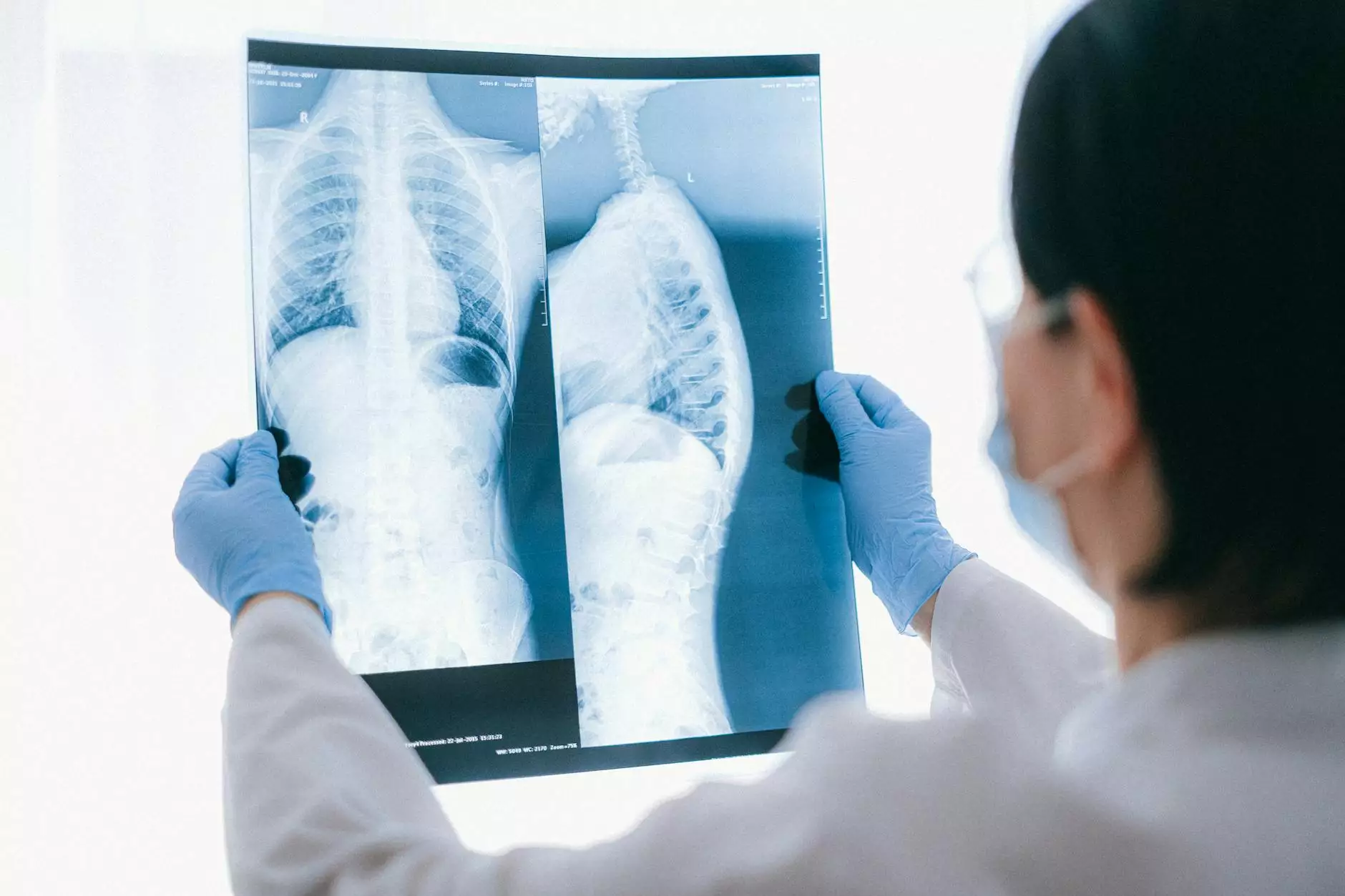
In today's rapidly evolving health & medical landscape, the reliance on advanced diagnostic tools has never been greater. Among these, Magnetic Resonance Imaging (MRI) has established itself as an indispensable modality, providing detailed, non-invasive insights that drive accurate diagnosis and effective treatment planning. Central to the success and reliability of MRI technologies are MRI technical services, which encompass a broad spectrum of specialized maintenance, calibration, troubleshooting, and support activities tailored to optimize MRI functionality. This extensive guide explores how MRI technical services elevate the standards of medical centers and diagnostic services worldwide, reinforcing their vital role in modern healthcare.
What Are MRI Technical Services? An In-Depth Overview
MRI technical services refer to a comprehensive suite of professional activities designed to maintain, repair, and optimize MRI systems. These services ensure that MRI equipment operates at peak performance levels, producing high-quality images essential for accurate diagnosis. They include:
- Routine preventive maintenance
- Complex system troubleshooting and repairs
- Calibration and quality assurance assessments
- Software upgrades and updates
- Hardware component replacements
- Technical consulting and staff training
High-quality MRI technical services are critical to minimizing downtime, extending equipment lifespan, and ensuring patient safety. Professional technicians working in this domain possess specialized training and certifications, often collaborating closely with equipment manufacturers to deliver precise and efficient service.
Importance of MRI Technical Services in Healthcare Facilities
The significance of MRI technical services extends beyond mere maintenance—they are integral to the overall success of diagnostic operations in medical environments. Here are some of the core reasons why these services are indispensable:
1. Ensuring Accurate and Consistent Image Quality
High-quality imaging is fundamental to correct diagnosis. Routine MRI technical services involve meticulous calibration and system checks to guarantee clarity, resolution, and reproducibility of scans, thereby reducing misdiagnoses and the need for repeat procedures.
2. Enhancing Patient Safety and Comfort
Properly maintained MRI equipment minimizes risks related to hardware failures, magnetic field inconsistencies, and electromagnetic emissions. Additionally, well-calibrated machines ensure patient comfort during scans, reducing anxiety and motion artifacts.
3. Maximizing Equipment Longevity and Return on Investment (ROI)
Medical facilities often make significant capital investments in MRI technology. MRI technical services extend the operational lifespan of these sophisticated devices through regular maintenance and timely repairs, safeguarding the healthcare facility's financial investment.
4. Regulatory Compliance and Accreditation
Healthcare providers are subject to strict quality and safety standards imposed by regulatory bodies. Engaging qualified MRI technical services ensures adherence to these standards, facilitating accreditation and avoiding costly penalties.
Key Components of MRI Technical Services
Effective MRI technical services encompass several essential components that work synergistically to sustain optimal MRI system performance:
Preventive Maintenance
Scheduled inspections and routine servicing to identify potential issues before they escalate. This includes examining magnets, gradient coils, radiofrequency (RF) systems, and software components.
Corrective Repairs
Addressing unexpected malfunctions promptly to reduce system downtime. Skilled technicians diagnose hardware failures, software glitches, or performance anomalies and rectify them efficiently.
Calibration and Quality Assurance (QA)
Regular calibration ensures the consistency and accuracy of imaging results. QA protocols involve phantom scans, signal-to-noise ratio evaluations, and other tests aligned with industry standards.
Software Management
Updating system firmware, imaging software, and diagnostic tools. Proper software management enhances system capabilities, security, and integration with hospital information systems.
Training and Technical Support
Providing ongoing education for technologists and radiologists on system operation, safety procedures, and troubleshooting techniques.
Choosing the Right MRI Technical Services Provider
Partnering with a reputable MRI technical services provider is pivotal. When evaluating providers, consider the following factors:
- Expertise and Certification: Ensure technicians have relevant certifications and extensive experience with your specific MRI models.
- Accreditation and Industry Standards: Select providers adhering to ISO, ACR, and other recognized standards.
- Range of Services: A comprehensive portfolio that covers maintenance, repairs, calibration, and training.
- Response Time and Support: Rapid response capabilities minimize system downtime and ensure continuous clinical operations.
- Partnership with Equipment Manufacturers: Direct collaborations ensure access to genuine parts and proper technical procedures.
- Customer Satisfaction and References: Review feedback and case studies demonstrating successful service delivery.
Benefits of Outsourcing MRI Technical Services
Many healthcare facilities opt to outsource their MRI technical services to specialized firms, reaping numerous advantages:
- Cost Efficiency: Reduce expenses associated with in-house staffing, equipment downtime, and emergency repairs.
- Access to Expertise: Leverage the knowledge of certified specialists with diverse experience across various MRI models and issues.
- Focus on Core Responsibilities: Allow healthcare providers to concentrate on patient care and clinical services.
- Enhanced System Performance: Ensure continuous high-quality imaging and operational reliability.
- Compliance Support: Maintain adherence to evolving industry standards and regulations with expert guidance.
Future Trends in MRI Technical Services
The domain of MRI technical services is continuously transforming, driven by technological innovations and evolving healthcare needs. Key future trends include:
- Integration of Artificial Intelligence (AI): AI-powered diagnostics and predictive maintenance to forecast failures before they occur.
- Remote Monitoring and Support: Telemaintenance and remote diagnostics to swiftly address issues regardless of geographical location.
- Advanced Calibration Techniques: Utilization of automated calibration tools for increased precision and efficiency.
- Enhanced Cybersecurity Measures: Protecting sensitive medical data and proprietary system software from cyber threats.
- Sustainable and Green Practices: Implementing eco-friendly maintenance procedures and energy-efficient upgrades in MRI systems.
Conclusion: Elevating Healthcare with Superior MRI Technical Services
In medical centers and diagnostic services, the role of MRI technical services cannot be overstated. These specialized services ensure that MRI systems operate at their highest potential, providing clinicians with reliable, high-resolution images critical for accurate diagnosis and effective treatment. By partnering with experienced providers, healthcare facilities can optimize equipment performance, enhance patient safety, and achieve operational excellence. As technology advances, integrating innovative MRI technical services will remain essential in pushing the boundaries of medical imaging and transforming patient care for the future.
Investing in top-tier MRI technical services is not just a maintenance choice—it is a strategic decision that secures the quality, safety, and efficiency of medical diagnostic practices, ultimately saving lives and improving health outcomes worldwide.